Tape, Paint, and Fifty Years of Ringing: The Theology of the Mended Thing
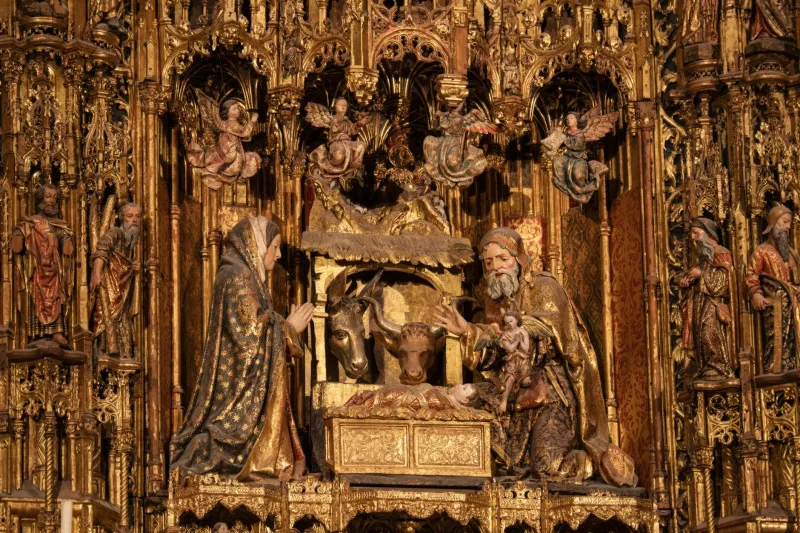
There is a nativity set in a church not far from the Gandhi Maidan that has now survived, by the sacristan's careful count, three monsoons in a leaky annex. The Virgin's face has softened with humidity. One shepherd's staff was snapped in 2019 and rewound with wire. Nobody has suggested replacing it. Nobody would dare.
For an American reader, this may register first as poverty — the absence of a budget line. But sit with it longer and it begins to look like something else entirely: a statement about what permanence means, made not in words but in plaster and paint.
Objects That Have Been Entrusted, Not Purchased
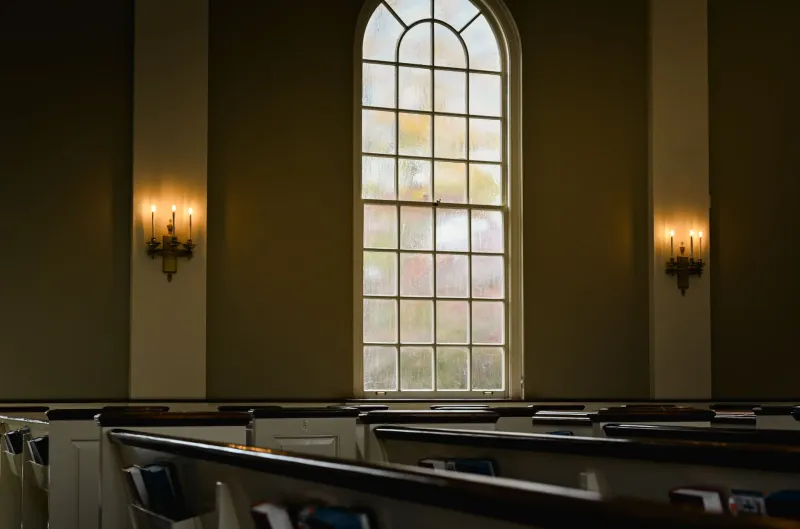
American church culture has quietly adopted the logic of the retail cycle. Sound systems are upgraded. Curriculum kits are retired after three years. The sanctuary's visual language is refreshed on a schedule that would be familiar to anyone who has worked in merchandising. Nothing about this is malicious. It is simply what happens when a congregation absorbs the surrounding economy's deepest assumption: that the new is better and the worn is embarrassing.
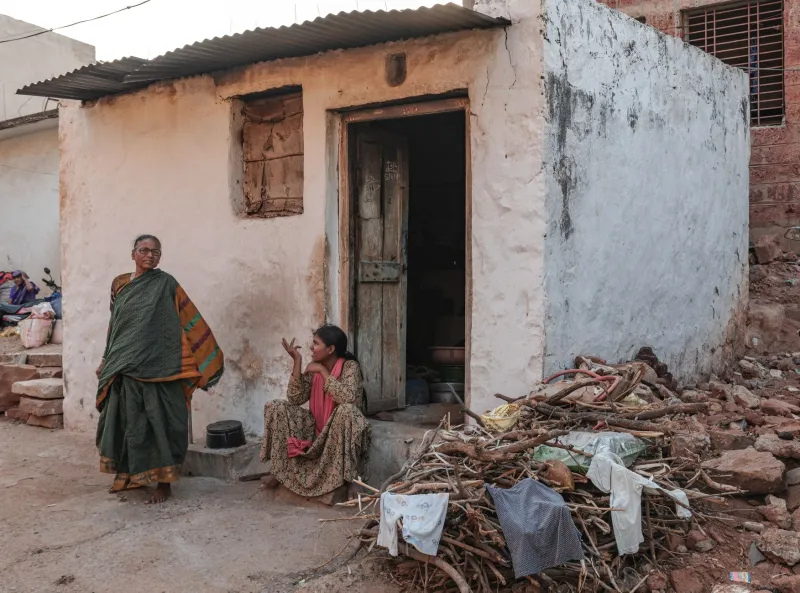
The churches of Patna operate inside a different economy of things. A brass bell rung for fifty years develops a patina that no manufacturer could fake. Hymnals held together with tape are not seen as failures of maintenance but as records of use — evidence of hands, of seasons, of funerals and weddings and ordinary Sundays. The object has become a kind of co-parishioner.
This is where durability stops being a facilities question and becomes a theological one. A congregation that keeps and mends its objects is making a claim: that faithfulness is cumulative, that time adds rather than subtracts, that the community's history is not disposable.
What Decay Is Allowed to Say
Consider what a chipped statue preaches that a pristine one cannot. It says that the holy has passed through weather. It says that this community has endured years when repair, not replacement, was the only option — and that the repaired thing is not second best but marked, like Jacob's hip, by the struggle.
American Christianity is often uncomfortable with imperfection kept in view. Our worship spaces are staged, our streams are color-corrected, our testimonies are edited for a satisfying arc. The mended thing disrupts all of that. It insists that damage and continuation can coexist — which is, incidentally, the testimony of nearly every believer you will ever meet.
There is also a quieter economic witness here. When a church replaces its gear every cycle, it teaches its people to relate to objects — and perhaps to relationships, and to callings, and to their own spiritual lives — as upgradeable. When a church repairs, it teaches endurance. Children who grow up watching a sacristan re-glue the same statue for a decade learn something about love that no curriculum can convey.
A Practical Catechism of Keeping
None of this requires romanticizing scarcity, and it does not require American churches to stop buying things. It requires a shift in posture. A few questions worth asking any congregation:
- What objects in our building have been in continuous use for more than twenty years, and do we know their stories?
- When something breaks, is our first instinct to replace or to repair — and what does that instinct reveal?
- Could we tell the history of our church through its objects? If not, what does that say about our relationship to time?
The nativity set by the Gandhi Maidan will probably not survive a fourth monsoon unscathed. It will be repainted, or rewired, or finally retired with something like a funeral. And that, too, will be a sermon — about a faith that does not discard what it has loved, but carries it, mended and marked, all the way home.