The Ministry of Recognition: What Patna's Parish Gatekeepers Know About Welcome
American churches have learned to talk about welcome in the language of hospitality and, increasingly, in the language of customer experience. There is a welcome team, a greeting table, a coffee bar, a lanyard, a first-time guest card, and a follow-up email. None of these things is wrong. A visitor who cannot find the restroom or the nursery is not likely to feel cared for. But the machinery of first impressions can quietly substitute for something harder: the discipline of actually knowing people.
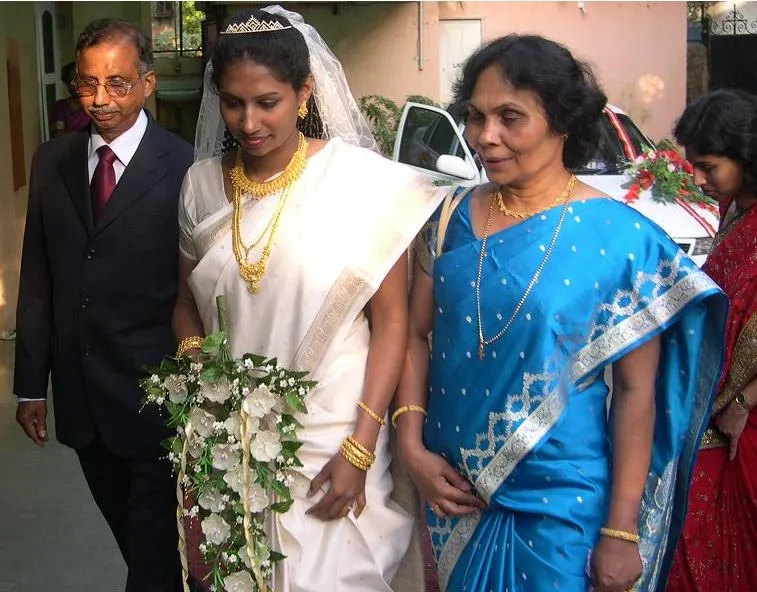
In Patna, the person at the parish gate is often not a trained greeter with a script. He or she may be an older parishioner who has stood in the same doorway for years. That person knows which families are new, which grandmothers are ill, which young man has been away, and which stranger is standing awkwardly at the edge of the courtyard. The gatekeeper is not performing welcome. The gatekeeper is practicing recognition.
The Limits of First Impressions
First-impressions ministry is designed around the visitor's first thirty minutes. It asks: Is the parking clear? Is the coffee hot? Did someone smile? Did the guest card get filled out? These are reasonable questions, but they can create a thin form of welcome. A church can be excellent at greeting and poor at belonging. A visitor can be welcomed warmly on Sunday and forgotten by Wednesday.
Recognition is slower. It requires memory, attention, and the willingness to be inconvenienced. It means noticing that a face is new and then noticing again the next week. It means learning a name and using it. It means seeing when someone is absent and having the courage to ask why. It means connecting a person not to a program but to a real need and a real relationship.
The Gatekeeper's Memory
Patna's parish gatekeepers are not usually official ministers. They are the people who arrive early, stay late, and keep track of the community in their heads and hearts. Their authority comes from presence. Because they have been there, they can tell the difference between a visitor who is passing through and a stranger who is searching. Because they know the neighborhood, they can tell when a family is in crisis before the crisis is announced.
This kind of memory has limits. It can become gossip. It can exclude as easily as include. It can assume that everyone belongs to the same old network. A healthy parish must guard against gatekeeping that turns into gate-closing. But the answer to bad memory is not no memory. The answer is a disciplined, charitable memory that serves people rather than controls them.
Welcome as a Long Discipline
American congregations can recover this discipline without pretending to be Patna. The first step is to rethink the welcome team. Instead of asking only who can smile and hand out bulletins, ask who can remember names, notice absence, and follow up with care. Give those people permission to be connectors, not performers. Second, simplify the guest card. A card that asks for ten pieces of information may collect data; a conversation that asks for one name may build relationship. Third, create a simple system for noticing absence—not surveillance, but pastoral attention. A text message to a missing member is worth more than a hundred welcome brochures.
Fourth, connect welcome to need. A stranger does not only need a cup of coffee. A stranger may need childcare, employment help, prayer, a ride, or simply someone to sit with during the service. A parish that recognizes people will eventually discover needs, and a parish that discovers needs must decide whether it is willing to respond.
The Courage to Be Known
At Jesus & Mary Patna, welcome is not a department. It is a habit of the whole community. The person at the gate is a sign of what the church believes: that every stranger is a possible neighbor, and every neighbor is worth knowing by name. That habit is harder to build than a welcome table. It is also harder to fake.
American churches do not need more scripts. They need more people who will stay long enough to recognize others. The ministry of recognition is quiet, inefficient, and easily overlooked. It is also one of the most faithful ways a congregation can say, without words: You are not invisible here.